
5 Ways to Prepare for a Flood and Protect Your Home
Knowing how to prepare for a flood can mean the difference between getting your family out safely and losing everything in a matter of hours.
Picture a family that woke up at 2 a.m. to water seeping under their front door. They have no emergency kit, no evacuation plan and no flood insurance.
Within hours, the ground floor is underwater and they are stuck upstairs waiting to be rescued as furniture floats through the living room.
The interesting part? Their neighbourhood has flooded before. They just never thought it could happen to them.
The harsh truth is that this scene isn’t just hypothetical; it’s a reality for thousands of families every year.
Flash floods can submerge neighbourhoods in minutes and heavy rainfall can easily overwhelm city drainage systems.
And when a flood warning comes, you’re either following a plan or scrambling.
The good news is that preparing for a flood doesn’t have to be complicated. A few steps taken before any storm arrives can protect your family, your home and your peace of mind.
This guide will cover the 5 most important steps you can take to prepare for a flood.
5 Ways to Prepare for a Flood
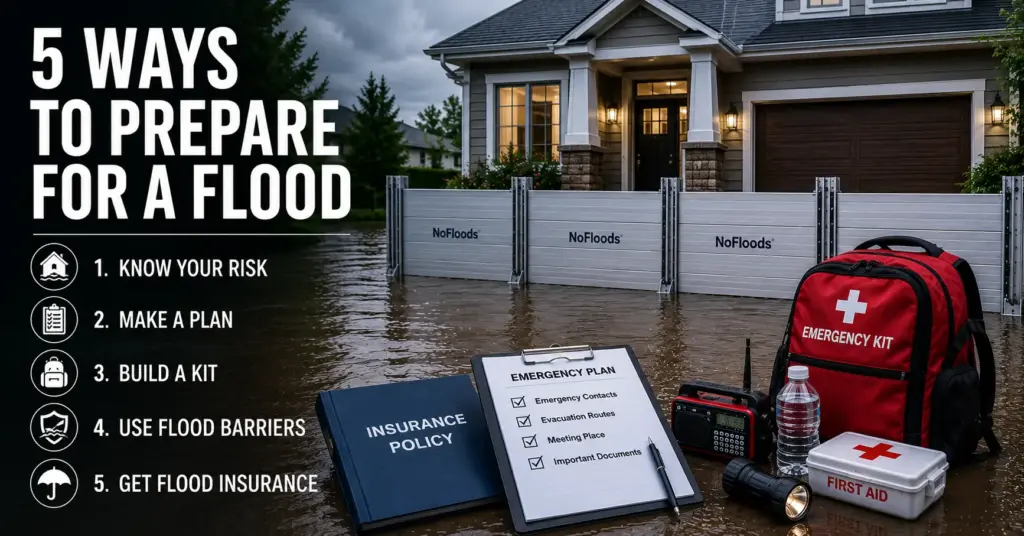
1. Know Your Flood Risk Before Disaster Strikes
Before you pack a go-bag or move valuables upstairs, there’s one simple question you need to answer:
How likely is flooding where you live?
Not a guess. Not something you heard from a neighbour. Actual data.
Because assumptions around flooding can get expensive very quickly.
a. Check Your Local Flood Zone
If you are in the United States, start with the FEMA Flood Map Service Center.
Type in your address and you’ll see whether your property lies inside a flood zone and what designation it is.
ClimateCheck gives a good overview and description of the various flood zone designations.
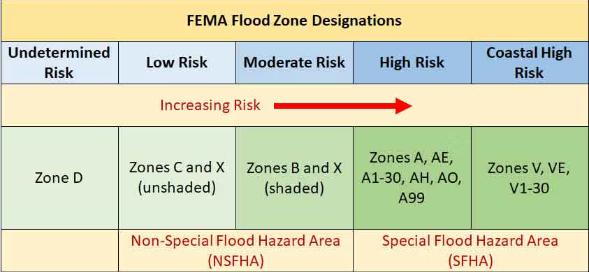
(Image source: climatecheck.com)
b. Pay Attention to Early Warning Signs
Though weather alerts help, nature often gives its own signals first.
Heavy rainfall that pours for hours is a big signal because the longer the ground stays soaked, the less water it can absorb.
Other signals include rivers or creeks rising faster than usual, storm drains overflowing and streets ponding.
When you have several signs present at the same time, it’s wise to start going through your flood plan.
c. Identify the Safest Areas in Your Home
Take a few minutes and walk through your house as you ask yourself a simple question:
If water started rising, where would we go?
Upper floors are the safest places if evacuation becomes impossible. Those areas should stay clear and easy to reach.
It’s also where important documents, family photos and electronics should stay during a flood season.
Also, think about exits. Every room should have at least two ways out if possible, especially bedrooms.
Rooms below street level or near poor drainage are usually the most vulnerable.
And remember this rule – basements flood first. Always!
d. Make Sure Alerts Reach You
Getting a flood warning even an hour early can change everything, so give yourself more than one way to hear it.
If you’re in the United States, turn on Wireless Emergency Alerts (WEA) on your phone. These are the alarms that go off even when your phone is on silent.
Next, sign up for your local community alert system. Most cities send location-based emergency notifications.
And it’s still worth having a battery-powered weather radio. If power or cell service goes down, that little device becomes your lifeline for updates.
e. One Rule That Saves Lives
Emergency crews repeat this every year because people still ignore it:
Turn Around, Don’t Drown!
Never drive or walk through floodwater. Six inches of moving water can knock a person down. One foot can move a car. Two feet can carry away an SUV.
If water covers the road, find another way. Always!
2. Create a Family Flood Emergency Plan (and Practice it)
A flood plan is your household’s playbook, a written strategy detailing exactly how you’ll prepare, stay safe during a flood and recover afterwards to minimize damage.
Therefore, everyone should know where to go, how to leave and how to reconnect if you get separated.
a. Decide When You’ll Evacuate
Many families wait too long to leave, leading to traffic jams and fuel shortages.
Planning ahead removes that pressure and gets you out ahead of the crowd.
Choose your evacuation trigger in advance. If you live in a higher-risk area, a flood watch may be the signal to prepare or leave early.
Also, plan two evacuation routes away from your home. Avoid low roads, rivers and underpasses if possible.
Drive through those routes at least once so they feel familiar.
And remember – never drive through floodwater!
b. Choose Two Meeting Points
Families don’t always evacuate together. Children may be at school and someone might be at work.
So agree on two locations:
- Primary meeting point: a nearby landmark outside your neighbourhood
- Backup meeting point: a second location farther away in case roads are blocked
Everyone in the household should know both places.
c. Plan for Communication Problems
Phone networks often struggle during disasters. Choose one contact person outside your area who can relay messages between family members.
Sometimes it’s easier to reach someone far away than someone nearby.
Also, keep a written list of important numbers in your go-bag in case phones fail.
d. Include Everyone in the Plan
Make sure the plan works for the whole household.
- Children should know the meeting points and evacuation routes
- Elderly relatives may need extra time or help leaving
- Pets should have food, water and carriers ready
If someone depends on medication or medical equipment, plan for that in advance.
e. Practice the Plan Once a Year
A plan works best when everyone remembers it.
Once a year, walk through the evacuation routes, confirm meeting points and check your emergency supplies.
It takes very little time and makes a big difference during a real emergency.
3. Build a Flood Emergency Supply Kit That Actually Works
An emergency kit only helps if it’s ready when you need it. That means packed, easy to grab and checked once in a while.
If batteries are dead or supplies are missing, the kit isn’t doing much for you. A good rule is to prepare for how to survive for 72 hours by yourselves.
a. The Basic 72-Hour Supplies
Start with the essentials every household needs.
Water: At least one gallon per person per day. For a family of four, that’s about 12 gallons for three days. Include water for pets too.
Food: Non-perishable items that don’t require cooking e.g. canned food, peanut butter, crackers, dried fruit and energy bars. Don’t forget a manual can opener.
Light and power: A flashlight with spare batteries and a portable phone charger. Your phone is often your main link to alerts and communication.
Communication: A battery-powered or emergency crank weather radio in case cell service goes down.
First aid and medication: A well-stocked kit plus at least a one-week supply of prescription medication.
Hygiene items: Wipes, sanitizer, toilet paper and basic toiletries.
b. Flood-Specific Gear Many Kits Miss
Floodwater is usually contaminated and full of debris, so a few extra items matter:
- Pack rubber boots and waterproof gloves to avoid direct contact with floodwater.
- Keep sturdy closed-toe shoes for walking through debris after water recedes.
- Include N-95 masks for cleanup since mold can start growing within a day or two after flooding.
c. Protect Important Documents
Replacing documents after a flood can take months.
Store copies of key documents in a waterproof pouch inside your go-bag. This includes:
- IDs and passports
- Birth certificates
- Insurance policies
- Medical records and prescriptions
- Important financial documents
It also helps to keep digital copies stored securely online.
d. Keep a Ready-to-Grab Go-Bag
Your go-bag should always be packed and easy to reach.
Use a backpack or small waterproof bag that holds the essentials and can be grabbed in seconds.
Keep it in the same place so everyone knows where it is.
If you have children or pets, it helps to keep small separate bags with their basic supplies as well.
e. A Few Small Items People Often Forget
Some simple items make life much easier during an evacuation:
- Cash in small bills (ATMs and card systems may fail)
- A fully charged power bank for your phone
- Waterproof bags for electronics and documents
- A printed map of your local area in case phones stop working
A well-packed kit doesn’t need to be complicated. It just needs to cover the basics so you can leave quickly and manage the first few days safely.
4. Protect Your Home Before Floodwaters Arrive
Your emergency plan keeps your family safe. Protecting your home reduces the damage when the water arrives.
Floodwater can destroy flooring, wiring and walls in just a few hours. A few preventive steps can make a big difference.
Start with the basics:
- Clear gutters and downspouts so water flows away from the house
- Check that the ground around your home slopes away from the foundation
- Move valuables, documents and electronics to upper floors when heavy rain is forecast
- Bring in outdoor furniture and loose items that could block drainage or become debris
These simple steps take very little time and help reduce damage before a storm hits.
Install Reliable Home Flood Barriers
If your property faces real flood risk, the most effective protection is a physical flood barrier placed around vulnerable areas of your home.
Sandbags have been used for years but they’re slow to deploy, messy and often leak.
Modern reusable flood barriers are faster, stronger and designed to be used again and again.
Here are four systems tailored for homeowners, designed for different situations:
NoFloods EasyWall: Best for Perimeter Protection
EasyWall is designed to protect driveways, entrances and the immediate perimeter of your property.
Its L-shaped design uses the pressure of incoming floodwater to lock the barrier in place, so it requires no anchors or heavy tools.
It’s quick to deploy and can be arranged in straight lines or curves.
NoFloods FlexWall: Best for Tight Spaces
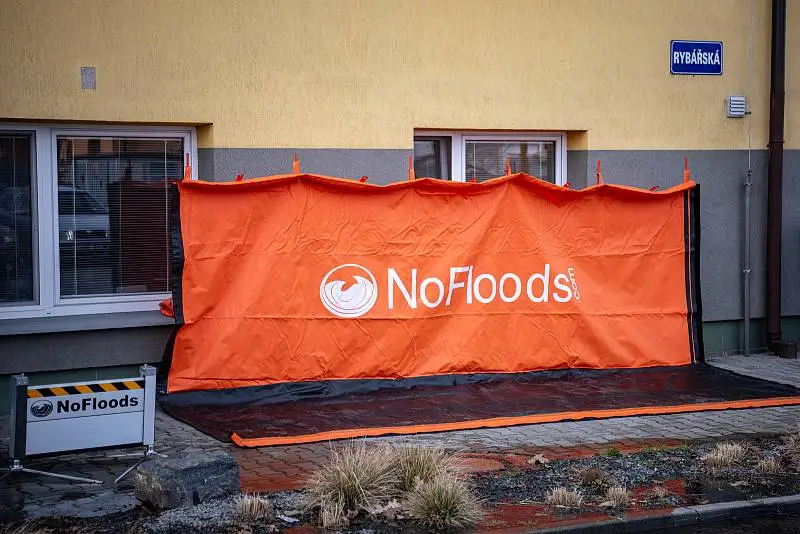
FlexWall is ideal for narrow areas such as side passages, back entrances or urban homes with limited space.
It mounts directly to existing walls and rolls out quickly when needed.
NoFloods FlexGuard: Best for Larger Areas
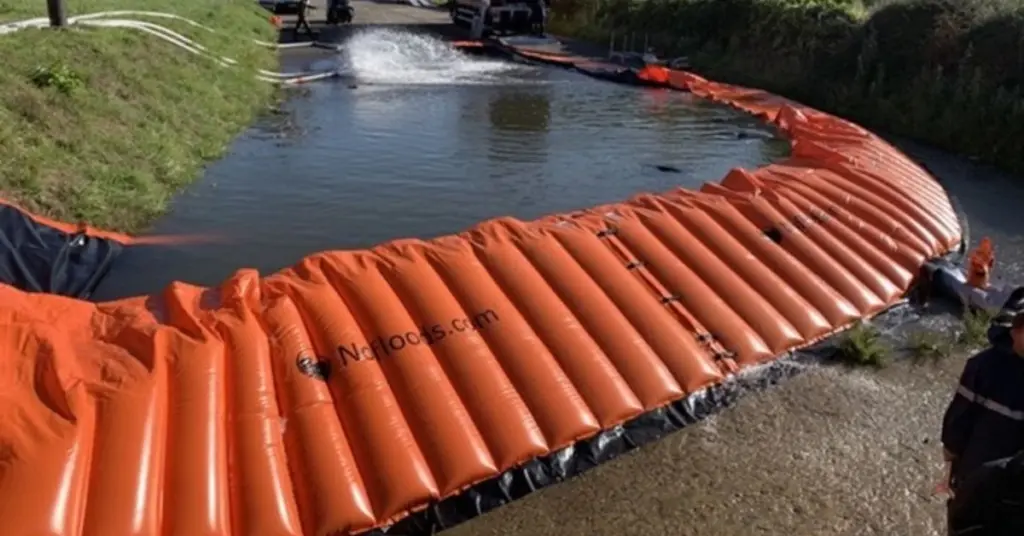
FlexGuard works well when you need to protect a larger perimeter or an irregular property layout.
Its flexible design allows it to form straight lines, curves or full enclosures around a building.
NoFloods AluGate: Best for Doors and Openings
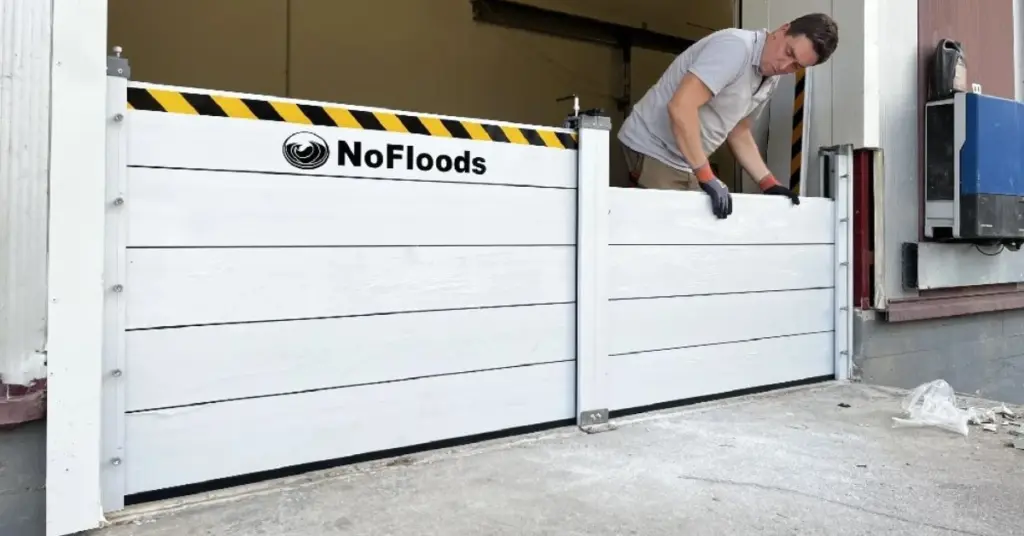
Doors, garage entrances and windows are common weak points during floods.
AluGate is a modular aluminum barrier designed to seal these openings and prevent water from entering the building.
Together, these solutions can protect everything from a single doorway to the entire perimeter of a home.
They’re faster to deploy than sandbags and are designed to be reused across multiple flood events.
Want to learn more about our flood barriers?
5. Get Flood Insurance in Advance
Even if you prepare well, floods can still cause major financial damage. Flood insurance helps protect you from the cost of repairing your home and replacing belongings.
Many homeowners skip this step until it’s too late.
Standard Home Insurance Usually Doesn’t Cover Floods
Most standard homeowner and renter insurance policies do not cover flood damage.
They may cover water damage from a burst pipe or leaking roof but floodwater entering from outside is treated differently and is typically excluded.
Without flood insurance, repairs and replacements usually come entirely out of pocket.
Buy Coverage Before the Flood Season
Flood insurance cannot be purchased at the last minute.
Most policies have a 30-day waiting period before coverage begins. If a storm is already forecast, it’s usually too late for the policy to apply to that event.
The safest time to buy coverage is long before the flood season begins.
Check What Your Policy Actually Covers
Flood policies typically include two types of coverage:
- Building coverage – protects the structure of your home
- Contents coverage – protects belongings such as furniture, clothing and electronics
These are often separate coverages, so make sure both are included if you want full protection.
Keep a Simple Home Inventory
If you ever file a claim, documentation helps prove what you owned.
Here’s a quick way to do this:
- Walk through your home and record a video of each room
- Photograph high-value items
- Store the files in cloud storage or email so they’re safe
It takes less than an hour and can make the claims process much easier if a flood ever occurs.
Final Word on the 5 Ways to Prepare for a Flood
Preparing for a flood doesn’t have to be complicated. By following the 5 ways to prepare for a flood in this guide, you’ve already taken the most important steps to protect your family, home, finances and peace of mind.
To recap, you have:
- Understood your flood risk
- Created a family emergency plan
- Built a flood emergency kit
- Taken steps to protect your home
- Put flood insurance and documentation in place
Each step is manageable on its own. Together, they create a strong layer of protection that many households simply don’t have.
The key now is to put these steps into action. Write down your plan, pack your emergency kit and review your coverage before the next storm arrives.
Floods rarely give much warning. But a few actions taken today can make a major difference when they do.
If you found this guide helpful, consider sharing it with a neighbour, friend or family member who may also benefit from learning these 5 ways to prepare for a flood.
Frequently Asked Questions
Q: When should I start preparing for a flood?
As early as possible. Some steps, like flood insurance, may have a 30-day waiting period, so preparation should happen long before any storm is forecast.
Q: What is the most important step among the 5 ways to prepare for a flood?
Know your flood risk. Understanding your flood zone and local flooding history helps you decide how much protection, planning and insurance you need.
Q: Does standard homeowner or renter insurance cover flood damage?
No. Most standard policies do not cover flood damage. You typically need a separate flood insurance policy for protection.
Q: What’s the difference between a flood watch and a flood warning?
- Flood watch: Conditions are possible. Prepare.
- Flood warning: Flooding is occurring or imminent. Act immediately.
Q: How can I protect my home quickly before a flood?
Focus on high-impact actions:
- Clear gutters and drains
- Place flood barriers at entrances
- Move valuables to higher floors
- Turn off the electricity if water may enter the home
Q: Can renters get flood insurance?
Yes. Renters can purchase flood insurance to protect personal belongings, since a landlord’s policy usually only covers the building.
Q: How often should I review my flood preparation plan?
At least once a year, ideally before the rainy or storm season. Update contacts, check your emergency kit and review evacuation routes.
Q: Do I still need flood preparation if my home has never flooded?
Yes. Flood risk can change due to heavy rainfall and infrastructure issues. Preparation helps protect your home even if flooding hasn’t happened before.